
Al Wadi Al Gedid: Temples, Oases and Desert
Accommodation in Al Wadi Al Gedid
Al Wadi Al Gedid offers different starting points for planning your trip, from historic temples and necropolises to oasis and desert landscapes. If you first sort by the type of experience, peaceful walks and a dip in a hot spring sit alongside excursions into the White Desert that can last several nights.
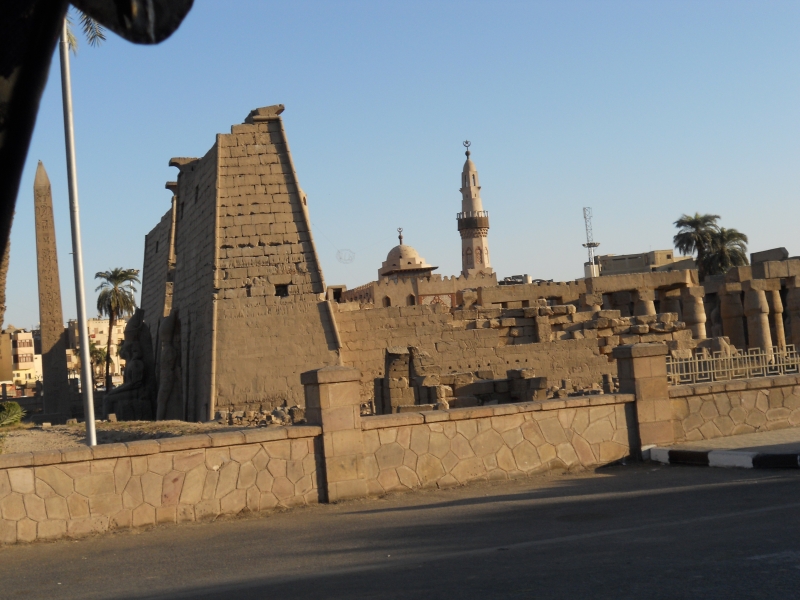
Temples, Necropolises and Historic Structures
The Temple of Hibis is the largest and best-preserved temple in Al Kharga. It was built over several centuries, during successive dynastic, Persian, Ptolemaic and Roman periods. The Al-Gheweta Temple was built during the Persian occupation on the remains of a pharaonic settlement. The Temple of Qasr al-Zayan was built by the Greeks and dedicated to the local city god Amun-Hibis. Another example from antiquity is the Temple of Dush, a Roman structure dating to the 1st century.
The al-Bagawat Necropolis also brings together different traditions: it is one of the oldest Christian burial grounds in the world and combines pharaonic and Christian burial traditions. The minaret of the Nasr al-Din Mosque is an ancient structure made of sun-dried mud bricks and stands 21 metres tall. These examples therefore differ not only in their periods, but also in their architectural forms and individual histories.
Collections and Visible Details
The New Valley Museum in Al Kharga preserves an important collection of artefacts from the New Valley region. They document the history of ancient Egyptian civilisation from the predynastic period to modern times. At the Temple of Deir al-Hagar, the focus is on specific depictions: the recently restored and well-preserved complex shows scenes of Egyptian gods as well as cartouches of four Roman rulers. A region-focused collection spanning a broad period and a temple’s pictorial details thus offer different ways to explore history.
Oasis Landscapes and Architectural History
The Al-Dakhla Oasis is a green oasis with extensive agricultural areas. Qila Al-Dabba is a large necropolis with mud-brick mastabas of high-ranking officials from the 6th Dynasty of the Old Kingdom. Ain Asil includes remains from three building phases of the Old Kingdom: houses, large structures and an enclosing wall. In Qasr Dakhla, houses from the Mamluk and Ottoman periods retain traditional wooden decorations on their doors. Together, these places show different facets of architectural history, from tomb complexes and early building phases to homes with preserved door ornamentation.
Farafra, the Desert and Outdoor Experiences
The Al-Farafra Oasis lies in a depression in Egypt’s Western Desert. It is surrounded by the White Desert, the Black Desert and the Great Sand Sea. The White Desert consists of fine sand and oddly shaped chalk pinnacles; Egypt designated it a protected area in 2002. The landscape thus combines protected status with striking natural formations.
For gentle exercise, the small woods and gardens in the Al-Farafra Oasis offer winding, densely vegetated paths that invite leisurely walks. Bir Saba (Well 7) is a hot spring in the desert where you can bathe in the evening or at night and gaze at the stars. The Bir el Gebel spring is located in a small palm grove. These different nature experiences range from walking paths to a nighttime bathing spot and a spring surrounded by palm trees.
Excursions into the White Desert can last from one to ten nights and may include camping, hiking, exploration, camel riding or trips in a four-wheel-drive vehicle. This wide range can help you gauge the possible duration of excursions when planning. Check the applicable permits and regulations before travelling. From Cairo, Al-Farafra can be reached by bus, private car or taxi; check transport options again before departure.
Discover More Destinations
Abu Simbel, Wahat Al Farafirah, Al Qaşr, Al Khārijah, Dakhla Oasis, Abydos
Kafr El Sheikh, Red Sea Governorate
Back to the main travel overview: Egypt.
