
Luxembourg: UNESCO World Heritage, sandstone and hiking trails
Accommodation in Luxembourg
The Mëllerdall UNESCO Global Geopark showcases Luxembourg’s sandstone formation, which is up to 100 metres thick. The geopark is one of the most spectacular sandstone landscapes in Western Europe. Luxembourg also offers distinctive hiking trails, UNESCO sites and regional traditions—from its fortified city to festivals and landscapes that shape the character of individual regions.
Choose hiking trails by length and landscape
The Mullerthal Trail is 112 kilometres long and consists of three loops. In Éislek, there are more than 200 circular hiking trails, leading through forests, past castles, across high plateaus and between rock formations. Another nationwide selection comprises more than 150 self-guided circular hiking trails known as “Auto-pédestres”. They are spread across five tourist regions and range from 5 to 15 kilometres in length.
The Minett Trail can also be assessed by the length of its stages: it comprises ten official sections, each between 7 and 15 kilometres long. Its access points are at train stations and bus stops. By comparison, the self-guided “Auto-pédestres” range from 5 to 15 kilometres. This means you can use the stated distance as a specific point of difference when planning a hike, without limiting yourself to a single type of route.
For cycling trips, the offer includes around 600 kilometres of cycling routes and 700 kilometres of mountain bike trails. These are different figures for different types of cycling. If you prefer to plan a longer circular tour in your own vehicle, you can take the Grand Tour du Luxembourg as a guide: the self-drive circular route is 450 kilometres long.
World Heritage and the history of a fortified city
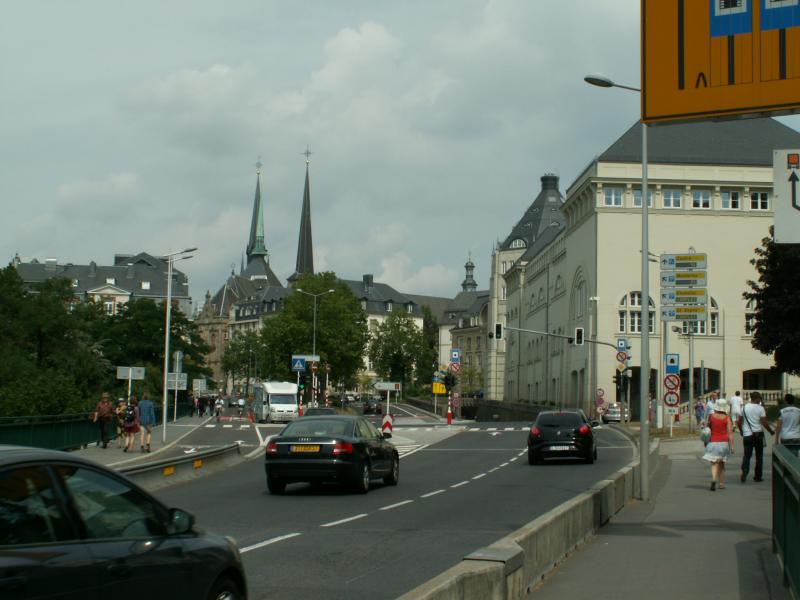
The old town districts and fortifications of Luxembourg City were added to the UNESCO World Heritage List in 1994. They are considered an outstanding example of a fortified European city. The Pétrusse casemates are among the few largely preserved fortifications in Luxembourg City. The historical story therefore spans the city’s recognition as a whole and the individual surviving parts of its fortifications.
In Echternach, the Hopping Procession takes place every year on Whit Tuesday. Thousands of people dance to traditional music, moving around the large abbey in a distinctive hopping step. The procession was granted UNESCO World Heritage status in 2010. The Roman Villa of Echternach also tells the story of a much earlier era: it is one of the most significant surviving Roman buildings north of the Alps. The Echternach Abbey Museum explores the history of Echternach.
Industrial history, photography and seasonal festivals
The Minett region was designated a UNESCO Biosphere Reserve in 2020. Minett Park Fond-de-Gras includes the Fond-de-Gras open-air museum, the village of Lasauvage, the former Giele Botter open-pit mine and the Celtic oppidum of Titelberg. These different sites bring together the region’s industrial past and an archaeological site.
“The Family of Man” has been on permanent display at Clervaux Castle since the mid-1990s. The collection comprises 503 photographs by 273 photographers from 68 countries and has been part of UNESCO’s Memory of the World Register since 2003. Vianden Castle offers a different kind of cultural programme: built between the 11th and 14th centuries, it hosts an annual medieval festival in summer. The programme includes combat demonstrations, music, fire performances, jugglers, troubadour singing and birds of prey demonstrations. Check the dates if you would like to plan your trip around this seasonal festival.
The Moselle, cuisine and water sports
The Moselle is Luxembourg’s only wine-growing region. Wine hikes combine an outdoor walk with a tasting. The culinary offering also includes Moselle wines, cheese from the Mullerthal and cider. Traditional Luxembourgish specialities include Gromperekichelcher, Kachkéis, Rieslingspaschtéit and Bamkuch.
The water sports options also vary according to the body of water and activity: kayaking and canoeing are possible on the fast-flowing rivers in northern Luxembourg. The Moselle offers conditions for experienced water sports enthusiasts as well as beginners. The range of activities available across the country also includes boat trips, stand-up paddleboarding, jet skiing, water skiing, surfing and wakeboarding; availability may vary by location and season.
Getting around the country
Public transport is free throughout Luxembourg and includes trains, trams and buses. For specific plans, it is worth checking the latest timetables. Together with the self-guided hiking trails and the circular tour by car, this offers different ways to shape your stay—from a stage on foot to a drive across the country.
Discover more destinations: Esch-Sur-Alzette, Capellen, Luxembourg, Mersch, Roeser, Diekirch, Grevenmacher.
Back to the main travel overview: Luxembourg.
