
Discover Nerja: Coast, Culture and Caves
Accommodation in Nerja
Nerja’s coastline is shaped by beaches, coves and cliffs. This gives the destination a clear coastal character that can be combined with nature and culture. Water sports in the coves, the landscape of the Acantilados de Maro-Cerro Gordo, as well as museums and historic sites, offer different points of interest. This lets you assess Nerja based on which of these aspects matters most to you during your stay.
Coast, Nature and Water Sports
The Acantilados de Maro-Cerro Gordo lie between Nerja and Almuñécar. The area is characterized by steep cliffs, with beaches and small coves in between. The coastal landscape stretches from the Maro coastal watchtower to Cala de Calaiza and includes a marine area of high ecological value. The area is designated as a ZEC, ZEPA and ZEPIM. This brings together distinctive coastal formations and ecological significance—two different aspects of the landscape that may be of interest when choosing a destination.
Water sports such as windsurfing and sailing are possible in Nerja’s coves. Offerings from individual providers and the conditions may vary. The Jardín Botánico Detunda-Cueva de Nerja offers a different perspective on nature: it showcases the local flora and vegetation of the Malacitano-Almijarense sector. This sector is characterized by high plant biodiversity and a high degree of endemism. The sector’s plant life is thus a focus in its own right, alongside the coastal formations and possible activities on the water.
Museums and Historic Sites
The Museo de Nerja presents local history from prehistoric times to the present day. Its permanent exhibition is spread across five rooms and includes archaeological and ethnographic objects as well as historical documents. The tour of all the rooms is adapted for people with reduced mobility. The exhibition’s historical scope and varied collections give a museum visit a different focus from exploring the coastal landscape.
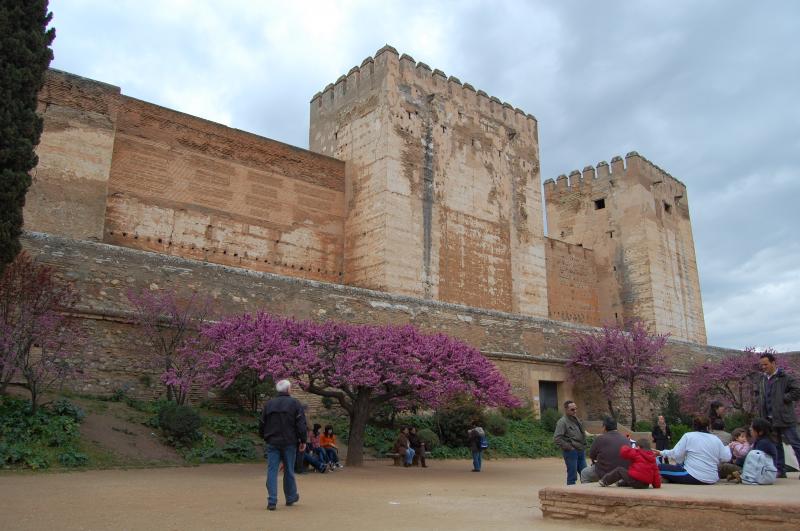
Historic buildings also provide distinct points of reference in time. The Baroque Ermita de Nuestra Señora de las Angustias was founded in 1720. The Balcón de Europa stands on the site of the former fortress where Castillo Bajo de Nerja was built in the early 16th century. These details thus point to different periods: the founding of the chapel in the 18th century and the history of the former fortress at the site of the Balcón de Europa.
The Cueva de Nerja and Its Tour
The Cueva de Nerja features almost every known type of natural formation, and its chambers are spacious and high. One third of the cave is open to visitors, in the area known as Galerías Bajas. The tourist route is 546 metres long and includes 458 steps. The length and number of steps are complementary planning details: the first gives the distance, and the second the number of steps. If you are weighing a visit against other interests at the destination, you can consider these details separately rather than judging the extent of the tour by its length alone. Together with the description of the formations and chambers, they give an overview of both the cave’s geological character and the scope of the tourist route.
Discover more destinations: Maro, Río De La Miel, La Cimada, Bobadilla-Estación, Guadalmina, Gaucín, El Mopagán, Monda.
For the broader travel overview: Málaga.
