
Lanzarote: Volcanic Landscapes, Wine and Culture
Accommodation in Lanzarote
If you’re looking for a hotel in Lanzarote, you can start planning your trip around the things that interest you most: volcanic landscapes, nature, agriculture, wine or culture. The Lanzarote Biosphere Reserve encompasses the island and the northern islets. The Lanzarote and Chinijo Islands UNESCO Global Geopark extends across the entire island and provides another way to understand its geological features.
Volcanic Landscapes and Natural Environments
The Biosphere Reserve includes vast volcanic lava fields known as malpaís, as well as numerous craters in Timanfaya National Park. The reserve’s natural environments also include shallow seabeds with great biological diversity. Timanfaya is also a UNESCO Global Geopark geosite, with numerous volcanic formations. A volcanic eruption between 1730 and 1736 created one of the largest historical lava fields in the world.
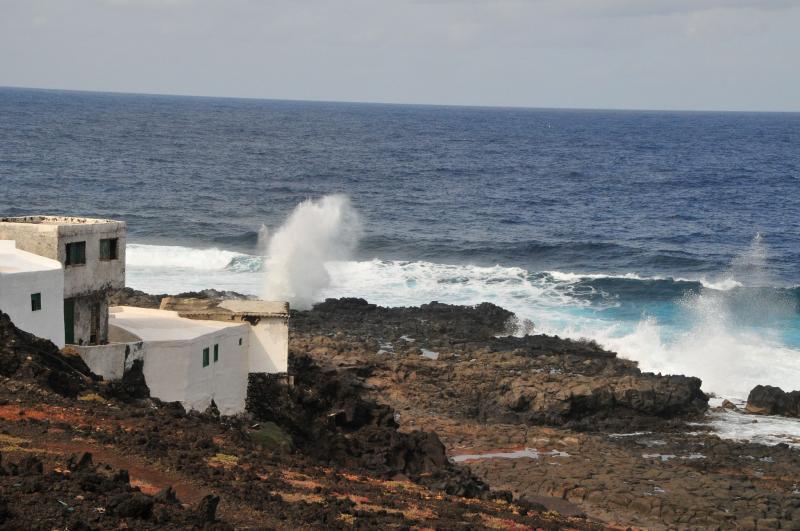
Another geological example is the La Corona lava tube: it is 7.6 kilometres long, and its final 1.6-kilometre section is flooded. Cueva de los Verdes is part of this tube. Its galleries served as a refuge for local people from pirate raids from North Africa in the 16th and 17th centuries. The coast also features natural pools formed behind lava flows that reached the sea after volcanic eruptions.
Trails and Guided Experiences
The official visitor trails in Timanfaya National Park include the Ruta de los volcanes, the Ruta de Termesana and the Ruta por el litoral. The Ruta de Termesana is a guided hike of about two kilometres with a minimal difficulty level. It passes through areas with features of recent volcanic activity. Since reservation conditions may change, check them before making plans.
El Jable reveals another aspect of the island’s nature: this delicate ecosystem provides a habitat for species adapted to wind and arid conditions, including the Houbara bustard and the cream-coloured courser. Traditional agriculture is also connected with this landscape. The sand retains moisture and is used to grow potatoes, sweet potatoes, melons and watermelons.
If you’re considering a guided trip instead of a hike, you can visit the Montañas del Fuego on a bus tour through a landscape of volcanic cones and lava fields. Near the entrance to the national park, Echadero de camellos offers a camel route through the volcanoes. Check the latest operating details before taking part in these activities. To get to La Graciosa, a ferry runs from the port of Órzola in northern Lanzarote to Caleta de Sebo; the crossing takes about 25 minutes. Check departure times before travelling.
Agriculture and Wine Culture
Lanzarote’s traditional agricultural practices include sowing under ash and using volcanic deposits beneath inverted volcanic cones. In the agricultural landscape of La Geria, grapevines and other fruits grow in hollows dug into lapilli. The area is part of the La Geria Protected Landscape and is also shaped by a well-established wine culture and tourism.
Malvasía Volcánica is a grape variety from Lanzarote, described as unique in the world. Wines from Lanzarote with Denominación de Origen status can be tasted at local bodegas. If a tasting is part of your travel plans, ask the relevant bodega about its current offerings in advance.
Architecture, Art and Designed Places
The Mirador del Río is located on Risco de Famara, opposite El Río, the strait between Lanzarote and La Graciosa. César Manrique designed the building to be recessed into the terrain and clad in volcanic rock. Arched windows frame views of El Río and the Chinijo Archipelago.
Castillo de San José brings together military history and modern art: the fortress was built for defensive purposes in the 18th century and has housed the MIAC – Museo Internacional de Arte Contemporáneo since 1976. Its collection includes works by Canarian, Spanish and international artists. At Jardín de Cactus, thousands of cacti from five continents are arranged on terraces that preserve the shape of the former quarry. Paths and walls made from volcanic rock follow the terrain, while the remaining basalt monoliths have been incorporated as sculptures.
Jameos del Agua brings nature and culture together in a volcanic cave. It contains a natural cave lake inhabited by a species of albino crab unique in the world. The site also includes a volcano museum with interactive activities and an auditorium where concerts and events are held. As programmes may change, it’s worth checking the event schedule before visiting. Casa Museo del Campesino includes Plaza de los Artesanos, a place associated with Lanzarote’s traditional crafts.
Discover more destinations: San Bartolomé, Tajaste, Las Cabreras, El Mojón, Mozaga, Montaña Roja, Tinajo, Arrecife
Return to the main travel overview: Lanzarote.
