
Musandam: Peaks, Coast and Historic Forts
Accommodation in Musandam
Musandam brings together striking landscapes and specific natural and cultural attractions. At around 2,100 meters, Jabal Harim is the highest peak in the Musandam Governorate. Other highlights include coastal views, valleys and springs, hiking trails, islands and historic forts. Traditional dhow cruises add a maritime activity to the mix. To plan your trip, you can first consider whether nature, outdoor activities, the sea or culture will shape your stay.
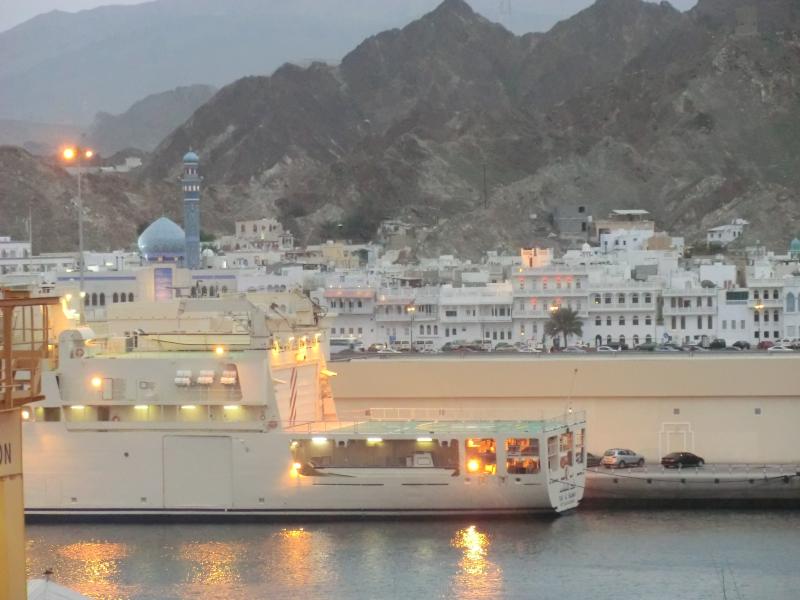
Peaks, Coast and Natural Attractions
Hal Beach lies on the road between Bukhah and Khasab and offers a view of the Sea of Oman. Khasab Bay lies north of Khasab and is surrounded by mountains to the east and west. The sea view at Hal Beach and the mountain-framed bay thus offer different coastal perspectives.
The landscape of Madha includes valleys, freshwater springs and water-filled reservoirs, which stand out particularly after rainfall. The link to rain is part of this landscape description: these features are especially prominent after precipitation. The island of Umm Al Fiyarain, also known as Umm Al Tayr, is another natural attraction. It is a protected reserve for marine life and migratory birds.
At the regional level, Musandam’s highlighted natural attractions also include the islands of Khasab, the freshwater springs in Madha, the beaches of Bukha, and the valleys and hiking trails of Dibba. This overview gives a broad impression of the governorate’s different natural features; each place represents its own landscape and activity highlights.
Activities on Rock, Beach and Sea
Wadi Khabb Al-Shamsi is a narrow passage between two mountains and a popular rock-climbing destination. Fishing and walking are popular activities at Dibba Beach. Traditional dhow cruises are offered in Musandam as a maritime activity. The activities have clearly distinct settings: rock climbing takes place in the passage between the mountains, fishing and walking at Dibba Beach, and dhow cruises at sea. When planning your stay, you can choose among these activities based on the theme that interests you most.
Forts and Cultural Heritage
Khasab Fort was built in the 17th century and now houses a museum about social life in the Musandam Governorate. Archaeological finds from Khasab are a particular focus. The museum thus connects a regional topic—social life in the governorate—with finds from the place it is named after.
Khasab Fort and Bukha Fort are historic forts in Musandam. Al-Balad Fort, also known as the Sheikh Sulayman bin Muhammad Al-Malik Tower or “Al-Faslah,” offers panoramic views of the beach and the nearby town. The descriptions emphasize different aspects: the museum function is central to Khasab Fort, while Al-Balad Fort is notable for its views of the beach and town. This allows you to weigh cultural and landscape highlights separately when choosing your destinations.
Cultural Heritage in the Broader Destination of Oman
The broader destination of Oman also offers further cultural points of interest. Nizwa is one of the Omani cities where visitors can explore the country’s ancient heritage. Bahla Fort is a UNESCO World Heritage Site; it was inscribed on the World Heritage List in 1987. The Archaeological Sites of Bat, Al-Khutm and Al-Ayn were inscribed on the World Heritage List in 1988. The archaeological complex of Bat, al-Khutm and al-Ayn is among the world’s most complete and best-preserved settlements and necropolises dating from the 3rd millennium BC.
Discover more destinations: Khasab, Dhofar, Az Zahira, Al Wustá, Buraimi, North Al Batinah, South Ash Sharqiyah, Muscat
Go to the broader travel overview: Oman.
