
Den Hoorn: Churches, Architectural History and Walking Routes
Accommodation in Den Hoorn
You can assess Den Hoorn as a place to stay by looking at two specific themes: its architectural history and its varied walking routes, which differ in length and focus. The buildings offer points of interest ranging from a neo-Gothic church to a former schoolhouse. The routes range from a short walking trail passing community monuments to longer routes featuring stories or landscape elements.
Churches and Architectural History
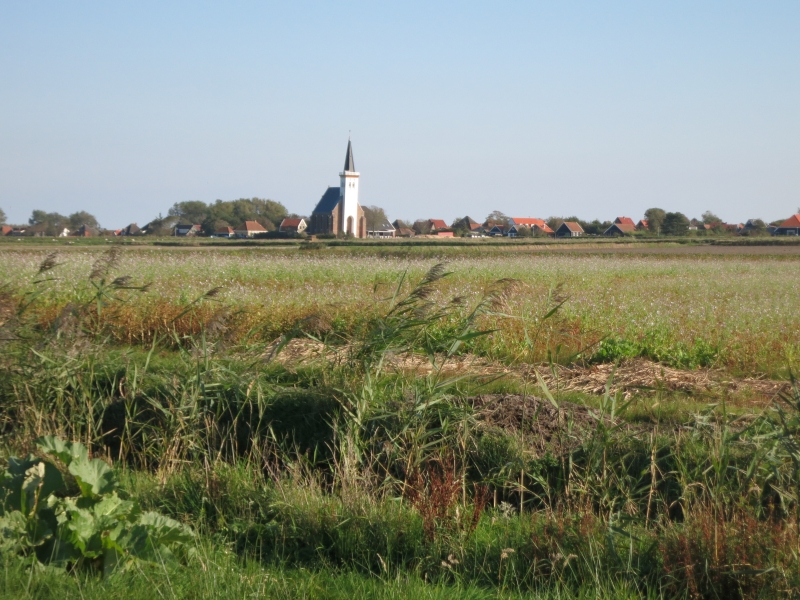
The H.H. Antonius en Cornelius Church was built in 1917 as a neo-Gothic church in a central location in Den Hoorn. It was designed by Nicolaas Molenaar senior and Nicolaas Molenaar junior. Its year of construction and style provide two clear reference points for its architectural history: you can consider its period of construction and architectural character side by side.
A church that is a community monument stands at Hoornseweg 12 in Den Hoorn. The decorative façade elements of the manor farm “Rehoboth” have become rare in the area. Here, the focus falls on a different detail: the design of the façade.
De Rijstuin takes the architectural story back to a different period. The building was constructed in 1873 as a public primary school with two classrooms and a council chamber. In 1950, it was converted into a Reformed church. The two dates represent clearly distinct functions: first schoolrooms and a council chamber, and later a Reformed church.
The Tuindersschoorsteen on the unnumbered Hoornsekade in Den Hoorn dates from around 1900 and is a community monument. The structure is considered abandoned. Together with the now-rare façade details of Rehoboth, it adds two distinct themes to the architectural history: a Tuindersschoorsteen and the ornamental details of a manor farm.
Walking Routes by Length and Theme
The routes differ in length and theme. The Cultuurroute Den Hoorn is a 2.5-kilometre walking trail. It follows paths past community monuments and offers unexpected views. Of the routes listed here, it is the shortest. The Ommetje Den Hoorn Kruikiuspad is around seven kilometres long. The difference in length is particularly clear when choosing between the short Cultuurroute and the two options that are around seven kilometres long.
The DNA Den Hoorn Verhalenwandeling, described in 2021, is a self-guided route of around seven kilometres. QR-code markers share the history of Den Hoorn through ten stories. The route described in 2021 starts at the beginning of Dijkshoornseweg, by the Hoornsevaart or Kickert, and ends at Koningin Julianaplein. Check the route markers on site before setting off.
The Tuindersroute Den Hoorn is 4.5 kilometres long and passes through Den Hoorn’s former horticultural area. The Natuurwandeling Den Hoorn is six kilometres long: it runs through parks, over water, along reed beds and through avenues of trees in meadows. This gives you a choice between a route linked to the area’s former horticultural use and one that passes through several landscape features.
The Tanthofkade route starts in Den Hoorn as a narrow side street off Hoornseweg, next to Café Delfland. It is marked with the coloured markings of a long-distance hiking route; these markings may change. Route details may also change over time. Before going for a walk, check the route and its markings.
Discover more destinations: Schipluiden, Maasland.
Return to the main travel overview: Midden-Delfland.
