
Paia: Sugarcane History, Townscape, and Coast
Accommodation in Paia
Paia is a historic town on Maui’s North Shore. When deciding where to travel, it’s worth considering three aspects of the town: its former role in the sugarcane industry, its built streetscape, and its coastal and recreational spots. This can help you weigh whether you’re most interested in local history, architecture, or the coast.
Paia and Its Sugarcane History
During the heyday of Maui’s sugarcane industry, Paia was once a plantation town. The Pāʻia Sugar Mill became the center of life in Pāʻia, providing the community with housing, jobs, education, and infrastructure. Its role therefore extended beyond sugar production: the mill was also closely connected to the community’s everyday life.
The history also includes the stores that served the sugar plantation communities of Paia and Puunene. For more than 70 years, they fulfilled social and economic roles that changed over time. This offers a view of the longer-term development of community life, rather than reducing the town’s history to a single business.
Landmarks and Townscape
Along the Hana Highway, the steeple of Paia Church stands out from a distance: it is clearly visible from both directions. Another widely recognizable landmark is Paia Mill in Upper Paia. It can be seen from the Hana Highway across the sugarcane fields. Both features shape how the town is perceived along the road, though they do not refer to the same location.
Lower Paia is made up mostly of single-story buildings, with two-story homes adding variety to the streetscape. This fits the pedestrian-oriented scale described for Lower Paia. Colorful, rustic storefronts and local art galleries are also part of the townscape. Individual shops may change, but the combination of storefronts and art galleries offers a different view of Paia than its visible landmarks.
Schools and Architecture
The history of the schools is also part of Paia’s cultural heritage. Paia School was the first English-standard school on Maui. Paia School and Puunene School are designed in the Classical Revival style. Together, they offer two distinct historical perspectives: Paia School’s special role on Maui and the architectural classification of both schools.
Coast and Skate Park
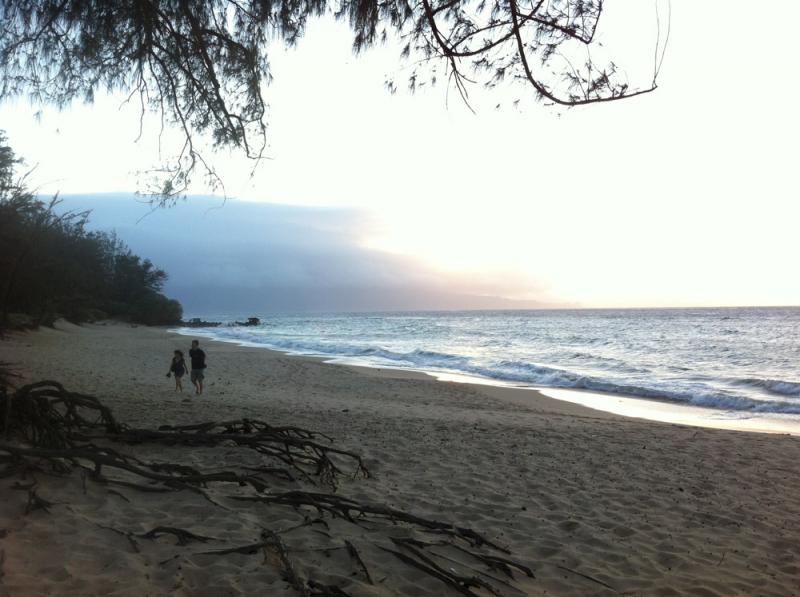
The coastal landscape includes H.A. Baldwin Beach Park, which encompasses a Baby Beach and a lagoon. StoneWave Skate Park is right next to the beach at Pāʻia Bay, just off the Hana Highway in Paia on Maui’s North Shore. It opened for skaters in 2005. If the skate park is part of your plans, check the current access rules before visiting.
The places mentioned offer different points of interest: at H.A. Baldwin Beach Park, Baby Beach and the lagoon are the specific features; StoneWave Skate Park stands out for its location at Pāʻia Bay and its focus on skaters.
Considering Paia as a Travel Destination
If you’re planning a hotel stay in Paia, these aspects can help you structure your choice of destination. The sugarcane-era history, Lower Paia’s streetscape, the historic schools, and the coastal features speak to different interests. Consider which matter most to your trip: the development of a historic town, architecture and landmarks, or the coastal spots described here. This will give you a concrete picture of Paia before you look more closely at your stay.
Discover more destinations: Hana, Kahului, Kīhei, Pukalani, Makawao, Kula, Kaunakakai, Wailea-Makena.
For the broader travel overview: Maui.
