
Zwiefalten: Monastic Culture, Caves and Aach Valleys
Accommodation in Zwiefalten
Zwiefalten can be explored through two distinctive themes: a former Benedictine abbey and the valleys of the Zwiefalter Aach and Kessel-Aach. The name of the town refers to its location in these two valleys. For your travel planning, you can weigh these perspectives separately or deliberately combine them. The cultural perspective focuses on designed spaces and historical development, while the landscape perspective focuses on designated protected areas and natural destinations.
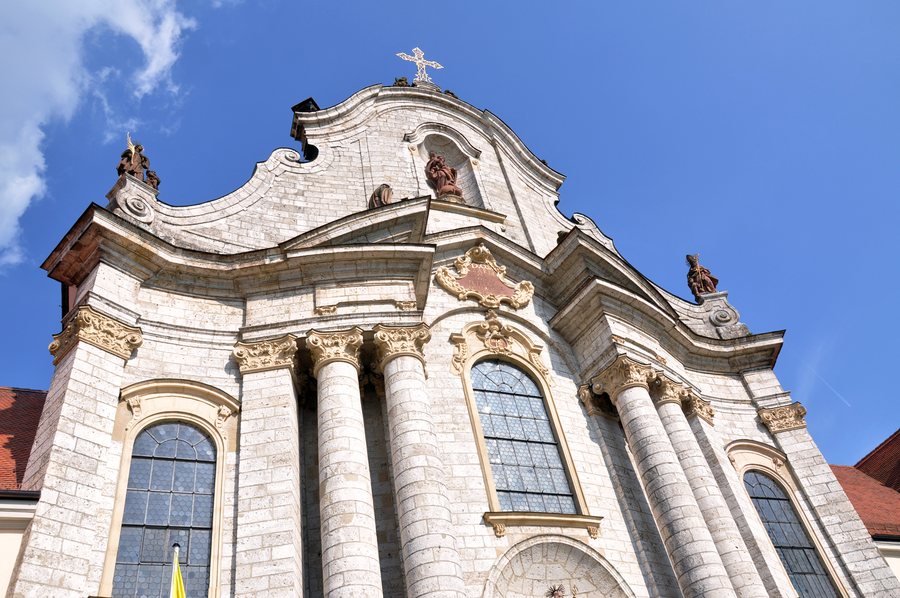
Culture
Zwiefalten is home to a former Benedictine abbey whose architecture, stucco and 18th-century paintings form a remarkable artistic ensemble. The abbey was founded in 1089; between 1095 and 1139, the monastery developed into a regional cultural and religious centre. The former abbey church is listed as one of the main attractions on the Upper Swabian Baroque Route.
Cultural research can proceed from visible details to historical classification. Architecture, furnishings and monastic history offer different approaches that can be placed alongside one another for a varied engagement with the town.
Nature
Approximately 44.3 percent of the municipality of Zwiefalten belongs to the Swabian Alb Biosphere Reserve. The municipality also includes the Tannenhalde nature reserve and twelve landscape protection areas, including the Riedlinger Alb and the adjacent protected Tobeltal landscape.
Those who wish to view the landscape at different scales can consider the extensive share within the biosphere reserve alongside the specifically designated protected areas. The various names provide several factual points of reference for the natural environment without reducing it to a single landscape theme.
Surroundings
In the immediate vicinity of Zwiefalten are Ehrenfels Castle, the ruins of Alt Ehrenfels and Friedrichshöhle Cave. In the surrounding area of Zwiefalten are the ruins of Schülzburg, Bettelmannshöhle Cave, the ruins of Hohengundelfingen, Bettelhöhle Cave and Brömes.
For your planning, the named places in the immediate vicinity and the surrounding area can be arranged into two spatial groups. The names also represent different themes: Historic sites and caves each open up a distinct direction when you consider the destinations thematically rather than solely by their location.
The combination of cultural and natural themes allows you to set your priorities flexibly. Depending on the rhythm you want, you can take the history of the abbey, the protected areas or the named places in the surrounding area as the starting point for your further travel considerations.
Geographical setting
Zwiefalten is located in the district of Reutlingen, approximately halfway between Stuttgart and Lake Constance. This location places the town within a broader regional context and complements the immediate cultural and landscape themes with clear geographical orientation.
When choosing a hotel in Zwiefalten, you can compare travel dates, room categories and cancellation conditions. These details make different offers comparable for your own planning, while leaving the desired focus between culture, nature and the surrounding area open.
Further destinations
Further destinations: Hayingen, Münsingen, Dettingen An Der Erms, Lichtenstein, Pliezhausen, Riederich, Reutlingen, Metzingen
To the higher-level travel overview: Reutlingen.

